
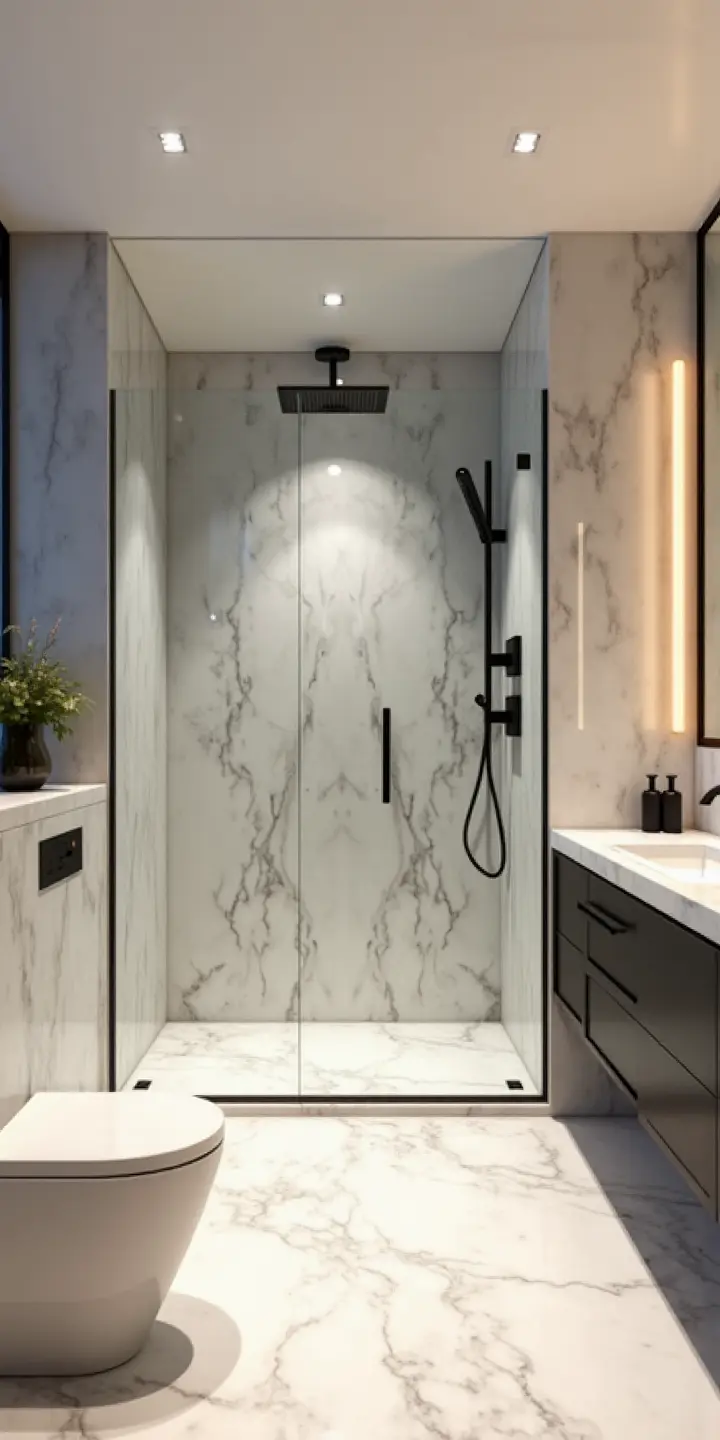
Shower flow rate is an important technical detail in any bathroom project. It affects comfort, water usage, hot water demand, and the overall shower experience.
Flow rate is usually measured in litres per minute, also written as L/min or LPM. It tells you how much water comes out of the shower every minute while it is running.
What does shower flow rate mean?
If a shower has a flow rate of 9 litres per minute, this means it uses around 9 litres of water for every minute of use.
A higher flow rate may feel stronger and more luxurious, but it also uses more water. A lower flow rate may save water, but it must still provide enough comfort for the user.
Why shower flow rate matters
Shower flow rate affects more than just water strength. It can impact the full bathroom system.
In residential bathrooms, flow rate affects comfort and water bills. In hotels, it can affect operating costs, hot water systems, pump sizing, and guest satisfaction.
For large projects, even a small difference in flow rate can make a big impact when multiplied across many rooms.
What affects shower flow rate?
Several factors can affect the actual flow rate of a shower.
- Water pressure in the building
- Shower head design
- Mixer type
- Pipe size and installation quality
- Flow restrictors or water-saving components
- Hot water system capacity
Shower flow rate and guest comfort
In hotels and premium residential projects, the shower experience is very important. Guests expect the shower to feel comfortable, stable, and easy to control.
A good shower should not feel weak, but it should also not waste unnecessary water. This is why flow rate should be reviewed during product selection.
Shower flow rate in hotel projects
Hotels usually need a careful balance between luxury and water control. A very high flow rate may increase water and energy costs. A very low flow rate may create a poor guest experience.
Procurement teams should check technical sheets for every shower product. They should also coordinate with the mechanical team to confirm water pressure, hot water capacity, and system compatibility.
How to choose the right shower flow rate
When choosing a shower, do not depend on appearance only. Ask practical questions before approval.
- What is the available water pressure?
- Is the project residential, commercial, or hospitality?
- Is water saving important?
- Will the shower be used frequently?
- Is the selected product compatible with the plumbing system?
- Does the technical sheet show flow rate information?
Flow rate and water saving
Water-saving shower products can reduce consumption without making the shower feel uncomfortable. Good design can control the water flow while keeping the spray pleasant.
This is especially useful for hotels, commercial buildings, and projects that care about sustainability.
Final advice
Shower flow rate in litres per minute is a small detail with a big impact. It affects comfort, water usage, hot water demand, and long-term project performance.
Before choosing a shower system, always review the technical specifications, check water pressure, and make sure the product fits the bathroom type.